It is a real, progressive medical concern that rarely gets the attention it deserves until severe, permanent damage has occurred: periodontal (gum) disease. Because it is largely painless in its early stages, millions of people host an active bacterial infection in their mouth without a single complaint. Unlike a sudden toothache or a chipped molar, gum disease operates stealthily. It gradually compromises the supporting structures of your smile while leaving your everyday comfort virtually untouched until the underlying foundation is critically damaged.
The Masked Danger
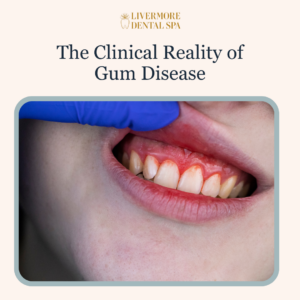
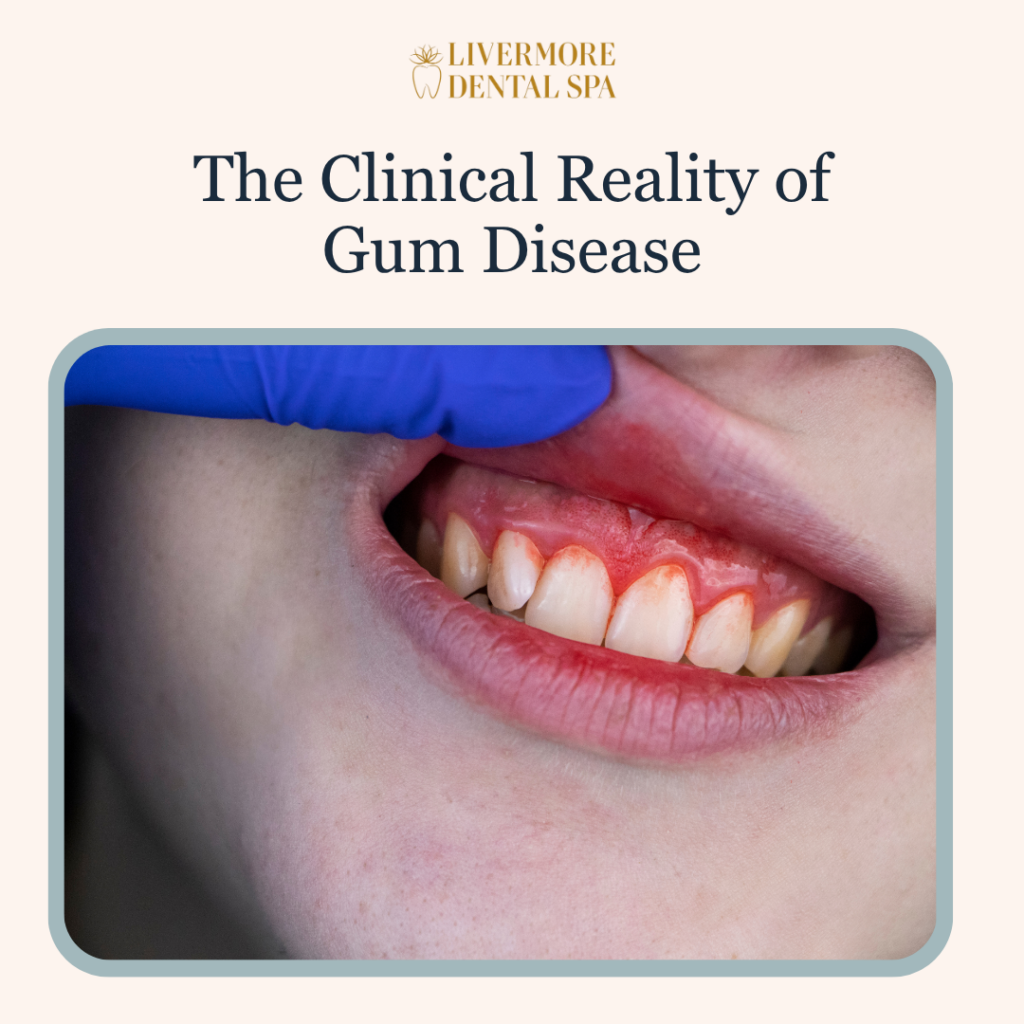
Many adults assume that if their teeth do not ache, their mouth must be completely healthy. This dangerous misconception allows a localized, low-level problem to quiet down visually while actively destroying tissues beneath the surface. You might notice a bit of pink in the sink after brushing or a slight tenderness when flossing and brush it off as a minor inconvenience. In reality, that minor redness or light bleeding is your body signaling a localized inflammatory response—one that, if ignored, quietly works its way beneath the gumline to undermine your jawbone.
The Solution
Waiting for severe pain to strike before visiting a dentist is a losing strategy when it comes to your gums. Once pain actually manifests in periodontal cases, it often signals irreversible bone loss, deep abscess formation, or mobility that threatens the survival of the tooth. Understanding the real clinical data behind this condition and securing early intervention is the only definitive way to halt structural damage, preserve your natural tissue, and protect your smile from eventual tooth loss.
A Widespread Oral Health Crisis
Data compiled by major global and national health organizations reveals that chronic gum infections are among the most prevalent diseases on Earth. The numbers paint a sobering picture of adult oral health across every demographic:
- According to data from the Centers for Disease Control (CDC), 47.2% of adults aged 30 and older have some form of periodontal disease.
- The prevalence increases significantly with age—the CDC reports that 70.1% of seniors aged 65 and older suffer from advanced periodontal conditions.
- On a global scale, the World Health Organization (WHO) estimates that there are over 1 billion active cases of severe periodontal disease worldwide.
These metrics show that nearly half of our local community is fighting a chronic bacterial infection. This problem is not a minor hygiene oversight or a simple cosmetic issue; it is a full-scale public health crisis that requires deep-level clinical management and proactive maintenance.
The Systemic & Mechanical Impact: Bone Destruction
Left untreated, a surface-level gum issue quickly escalates into a deep-level structural crisis. The path of an unmanaged infection follows a predictable, destructive pattern:
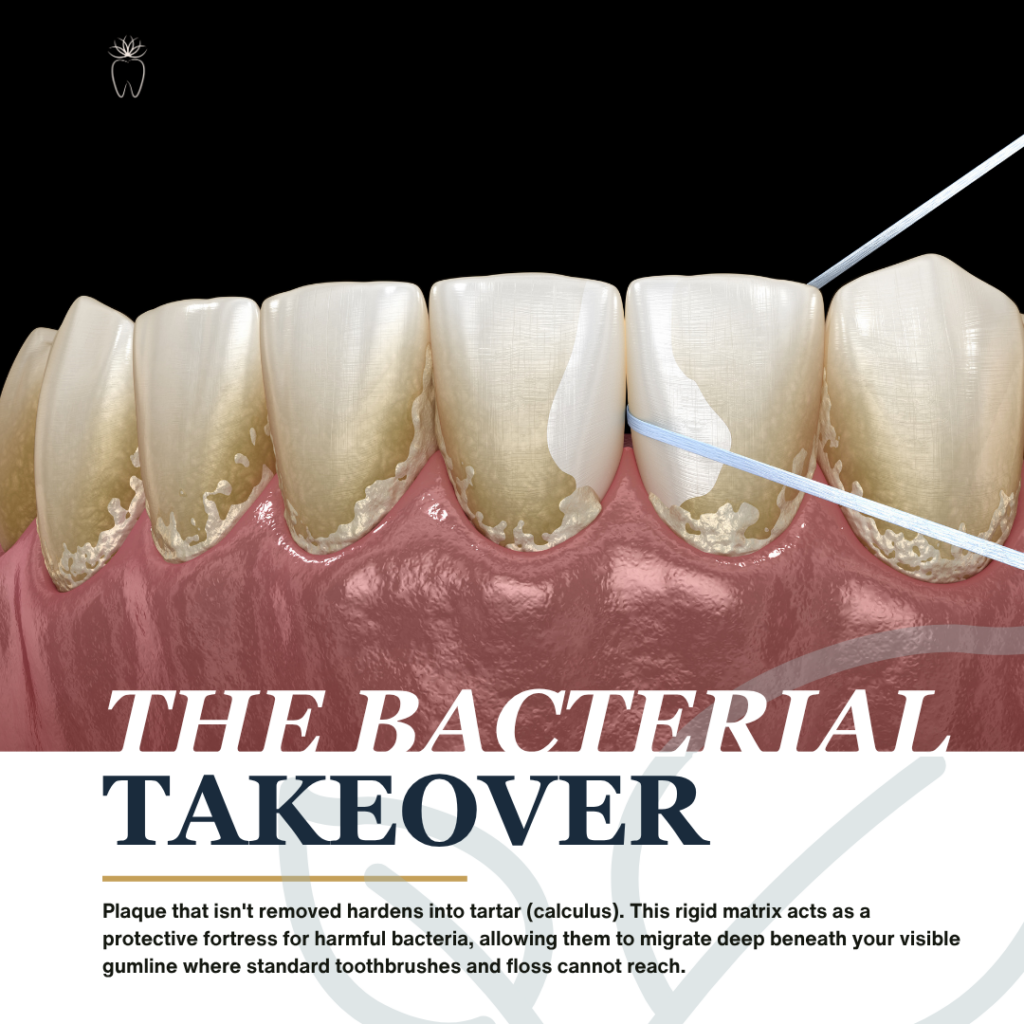
- The Bacterial Takeover: Plaque that isn’t removed hardens into tartar (calculus). This rigid matrix acts as a protective fortress for harmful bacteria, allowing them to migrate deep beneath your visible gumline where standard toothbrushes and floss cannot reach.
- Chronic Inflammation: Your immune system attempts to fight off the sub-gingival bacteria by sending inflammatory chemical mediators to the area. Unfortunately, this prolonged, high-level inflammatory response accidentally damages your own healthy tissues along with the invading pathogen.
- Jawbone Recession: As the deep-level infection spreads, it systematically breaks down the specialized periodontal ligaments and alveolar jawbone structures that anchor your teeth in place.
- The Final Stage: Once your foundational bone structure is compromised, teeth lose their stability. They begin to shift, loosen, and will eventually fall out or require extraction without a skilled dentist performing advanced periodontal therapy.
Periodontal Questions & Direct Answers
Your gums bleed when you floss because of an active, localized bacterial infection known as gingivitis. When plaque accumulates along the gumline, the bacteria release toxic byproducts that irritate the sensitive soft tissues. In response, your body floods the area with extra blood to deliver immune cells, making the gum tissue swollen, fragile, and highly susceptible to bleeding at the slightest touch. Bleeding is a major warning sign that destructive bacteria are currently overwhelming your natural defenses. Healthy gums do not bleed during normal daily maintenance.
Whether gum disease is reversible depends entirely on the specific stage of the infection:
–Gingivitis (Early Stage): Yes, this is completely reversible. Because the bacteria have only caused surface-level inflammation without damaging the underlying bone, a professional dental cleaning combined with rigorous daily brushing and flossing can restore your gums to perfect health.
–Periodontitis (Advanced Stage): No, it is not completely reversible. Once the infection spreads deep enough to cause jawbone loss, that missing bone cannot naturally grow back on its own. However, through deep clinical intervention—such as scaling and root planing (deep cleaning) and localized antimicrobial therapies—a skilled dentist can completely halt the disease progression, stabilize the existing structures, and prevent further loss.
Take Action Before the Foundation Crumbles
Periodontal disease is a real, silent threat that actively dismantles your jawbone structure long before it ever causes physical pain. Backed by alarming data from the CDC and WHO, it is clear that letting bleeding gums go unaddressed is a massive risk to your oral health and long-term tooth retention. Treating gum health with early, rigorous clinical care is the key to preserving your smile for decades to come.
Do not wait for your teeth to loosen before treating gum health with the seriousness it deserves. Contact Livermore Dental Spa today to schedule a comprehensive periodontal evaluation. Let’s protect your foundation, preserve your natural tissue, and keep your smile secure for life.